Mini-Grids & Rural Electrification
Decentralized energy, developed end to end
Mini-grids succeed or fail on details that only show up when one team owns the whole chain — from the first demand survey to year-ten maintenance. That is how we build them.
Why Mini-Grids
The fastest credible path to productive energy access
For millions of people, grid extension is decades away on any realistic capital plan. Well-designed mini-grids — solar generation, battery storage and a properly engineered distribution network — deliver utility-grade power now, at a cost communities and financiers can sustain.
But the sector's hard lesson is that hardware alone doesn't electrify anyone durably. Mini-grids fail commercially when demand is overestimated, technically when distribution and protection are under-engineered, and socially when communities are recipients instead of participants. Our development model addresses all three.
Capability
What we deliver across the mini-grid lifecycle
Community Energy Planning
Structured engagement to understand how a community lives, works and will use power — before a single panel is specified.
Demand Assessment
Household and commercial load surveys, appliance mapping and growth modelling that hold up against real consumption data.
Feasibility Studies
Bankable technical and financial feasibility — resource assessment, tariff modelling, sensitivity analysis.
Solar PV Generation
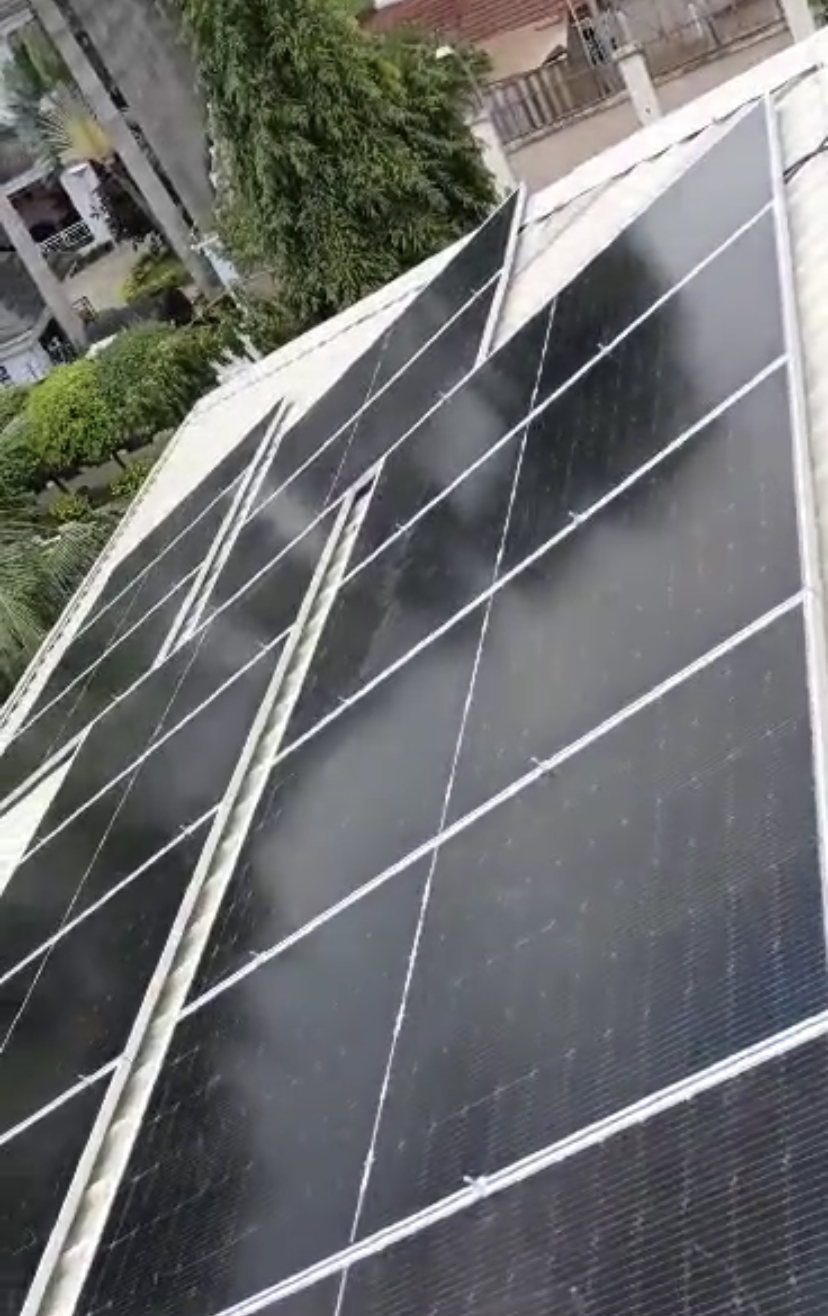
Generation plant design and construction sized to the community's actual demand curve, with room to grow.
Battery Energy Storage
BESS design for evening peaks and cloudy-day autonomy — the difference between a power plant and a power supply.
Distribution Network Design
Utility-standard LV/MV distribution with protection engineered by people who ran utility networks.
Productive-Use Planning
Milling, cold storage, irrigation, workshops — anchoring demand that makes the tariff sustainable and the community wealthier.
Project Management
Procurement, construction management, quality assurance and commissioning under one accountable team.
Operations & Maintenance
Long-term O&M with performance monitoring, local operator training and spares planning.
Development Model
How a mini-grid moves from survey to switch-on
Engage & assess
Community engagement, stakeholder mapping and demand assessment establish who the grid serves and what it must deliver.
Prove feasibility
Technical design meets financial modelling: generation sizing, storage autonomy, distribution layout, tariff structure and funding pathway — including REA and development-partner programme requirements.
Design & procure
Detailed engineering, protection coordination and procurement against specifications, not brochures.
Build & commission
Construction under our project management, followed by testing and commissioning to documented standards.
Operate & grow
Performance monitoring, maintenance, local capacity building and productive-use programmes that grow demand — and impact — over time.
For Programme Partners
Built to work within energy access frameworks
We design projects to satisfy the technical, environmental and reporting standards that electrification programmes and development finance require.
Rural Electrification Programmes
Technical documentation, verification readiness and compliance support aligned with national electrification frameworks.
Development Finance
Bankable feasibility work, transparent procurement and results measurement designed for DFI and multilateral requirements.
Impact Measurement
Connection counts are the start, not the finish — we track reliability, productive use and community outcomes.
"A mini-grid isn't finished when the lights come on. It's finished when the community's economy runs on it."87 Engineering development principle
Developing or funding rural electrification?
Talk to us about feasibility, engineering or full-cycle development for your programme or community.